
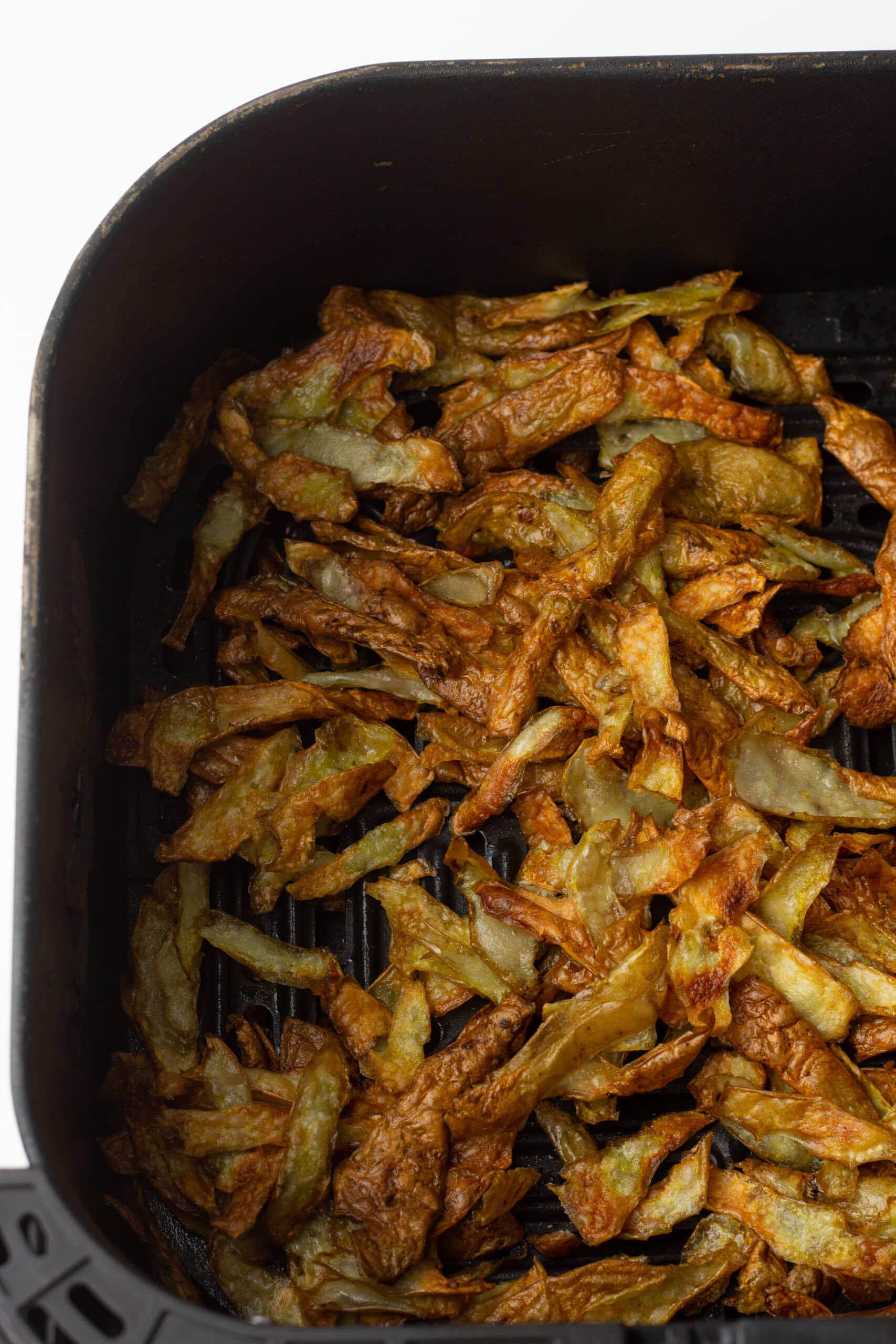
Potato chips (crisps if in the UK!) are a classic favorite enjoyed by many, and now you can make them even easier in an air fryer! The air fryer helps to give these potato skins a crunchy and delicious exterior that would normally only be achieved through deep-frying. In this blog post, we’ll show you…
Recipes
Air Fryer Old Fashioned Potato Cakes

Nothing says comfort food like a classic potato cake. This twist on a traditional old-fashioned recipe is made even better with the addition of an air fryer! With easy prep, minimal ingredients and fast cooking time, you can have delicious homemade potato cakes in under 30 minutes. What are potato cakes? They are essentially a…
Air Fryer Mushrooms
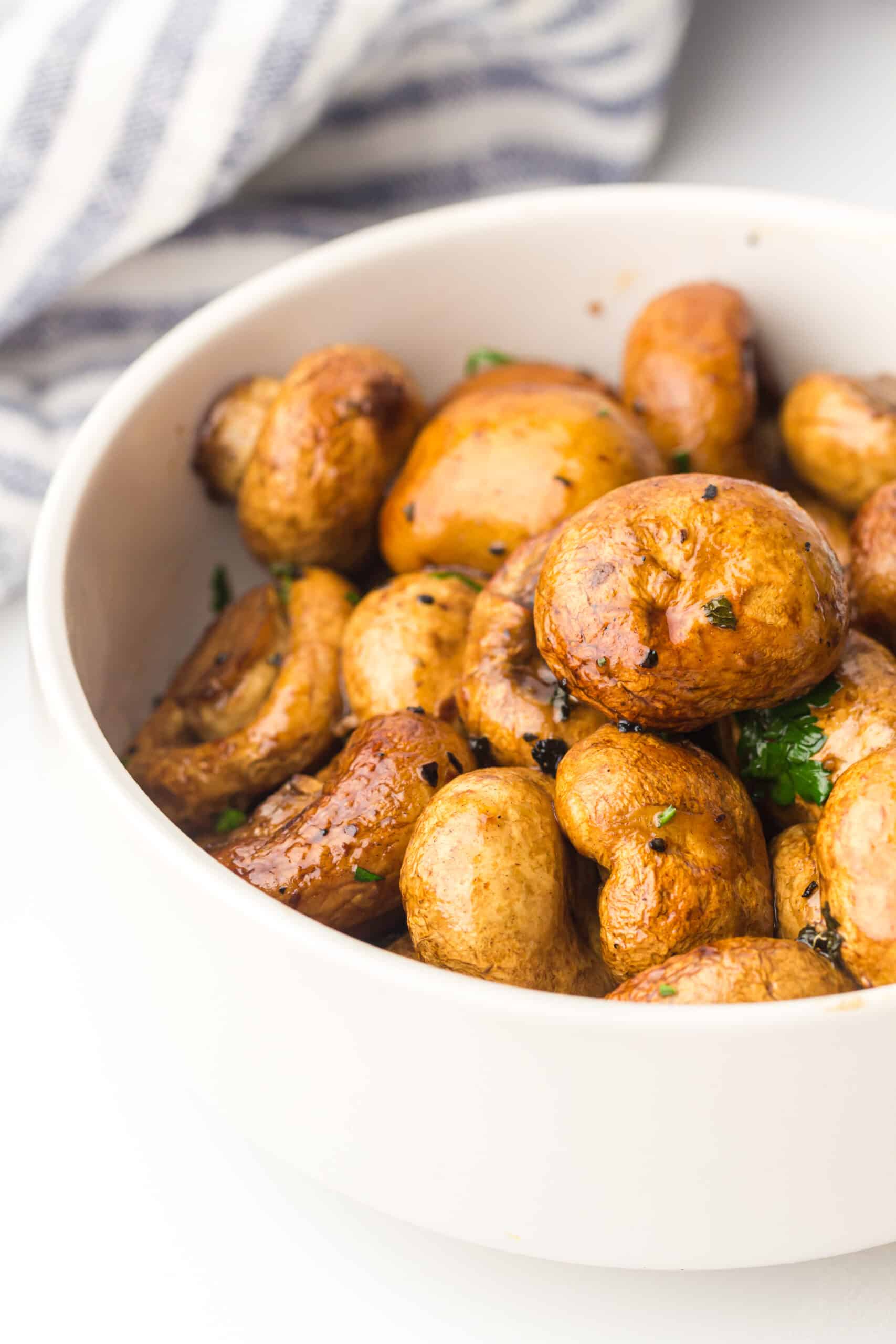
Mushroom are such a versatile ingredient that they can be used in all kinds of dishes. They’re packed with flavor and nutrition, making them a great addition to any meal. They can be used to add flavor and texture to everything from soups to salads, sandwiches or even pizza. This quick and simple recipe uses…
How to dry mint in the air fryer
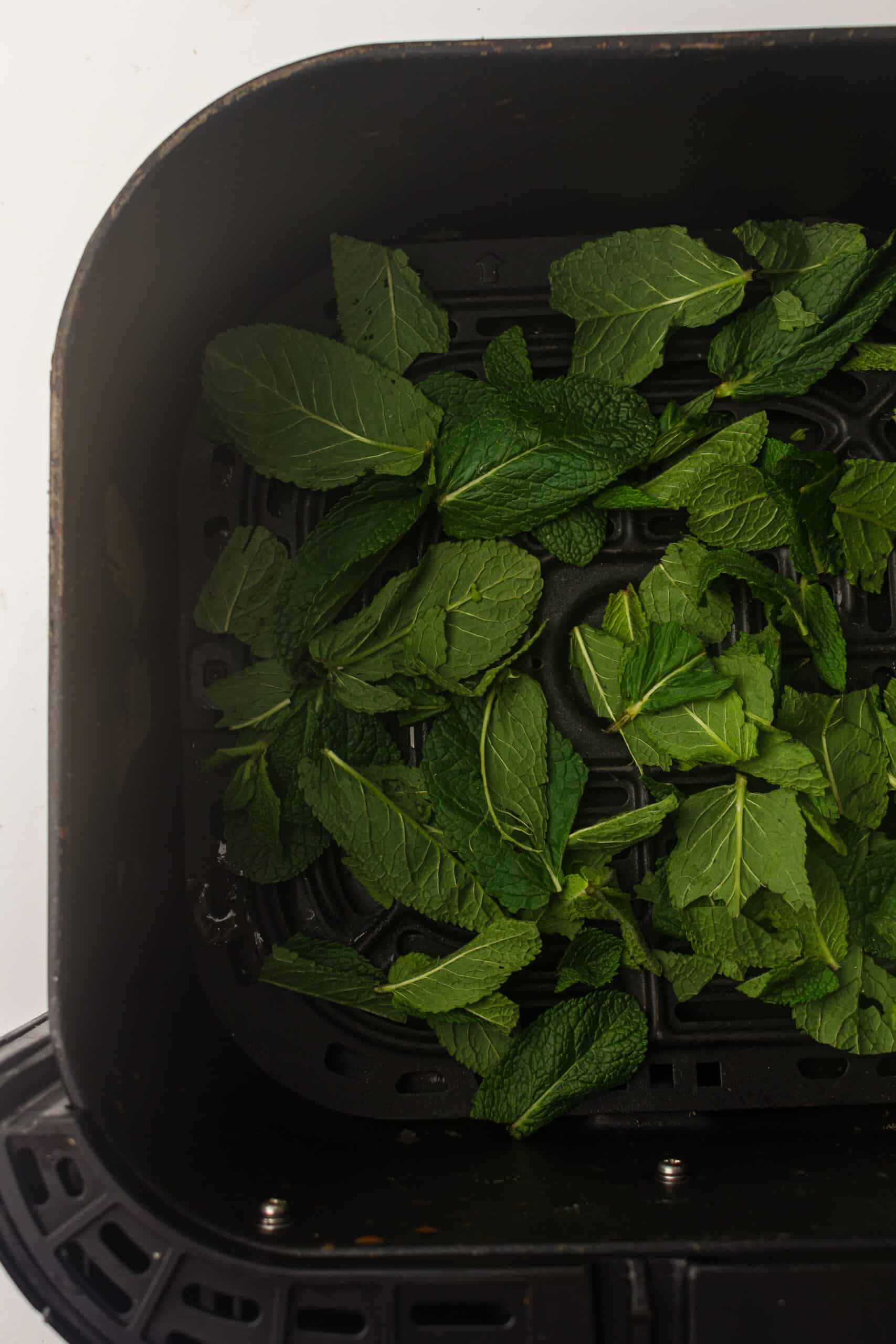
I know what you’re thinking, the air fryer doesn’t need to used for everything! But, trust me when I say it can be a great tool for drying mint leaves to make fresh, delicious mint tea. Theres nothing like a refreshing cup of mint tea and this is a great way to enjoy it. Mint…
Air Fryer Flan

If you love creamy desserts, then you must try making Air Fryer Flan. This traditional Spanish custard dessert is made with eggs, milk, sugar and just a hint of vanilla for a delicious flavor. The unique twist on this recipe is that it is cooked in an air fryer – making it easier to make…
Shake and Bake Chicken Thighs
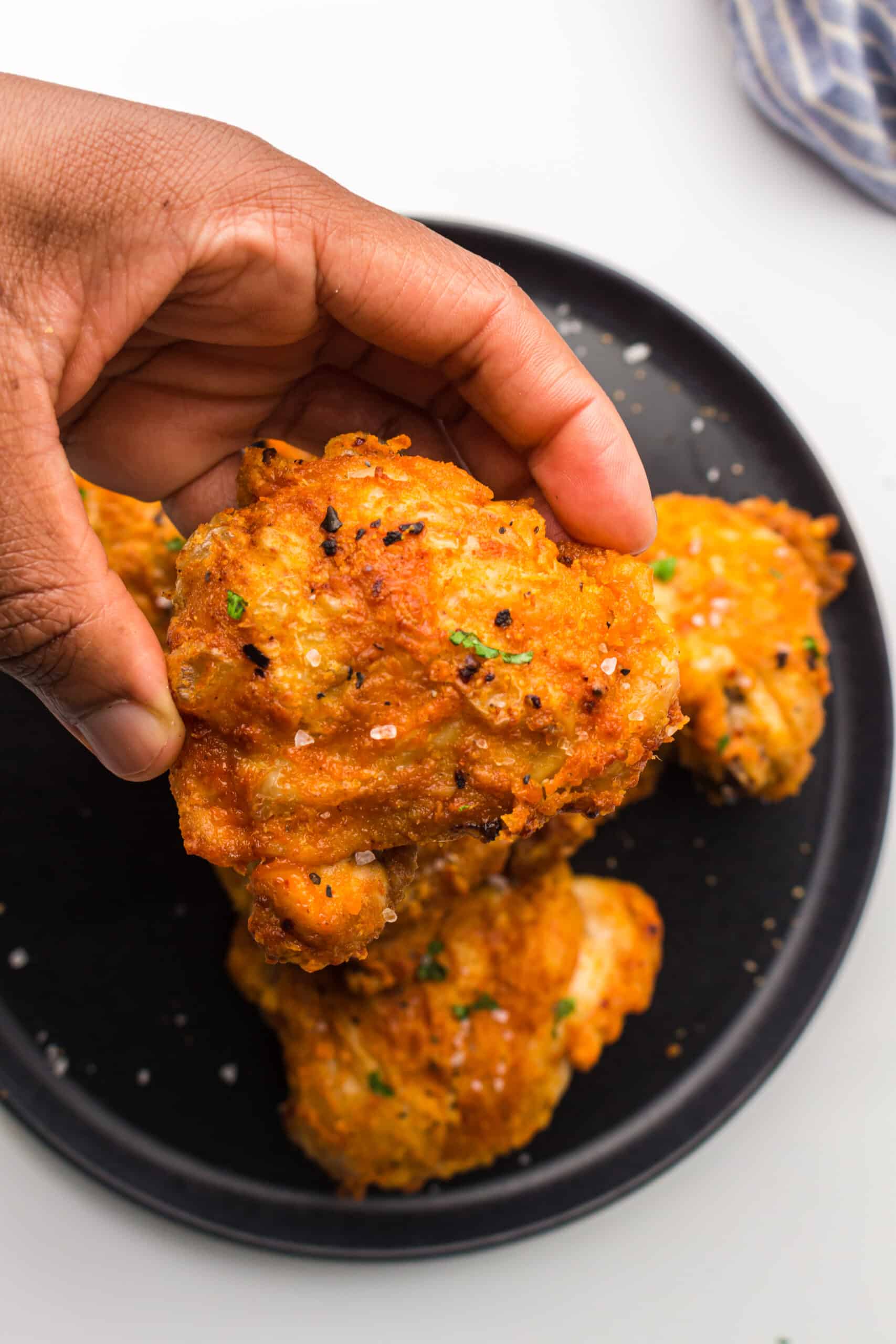
What’s great about this recipe is that it is 2 ingredients, so it is super simple and fast to make. All you need are chicken thighs and shake and bake seasoning or marinade. I got mine from Amazon, but you can get also get it from the supermarket or even make your own. Tool: Air…
Air Fryer Fried Chicken Breast
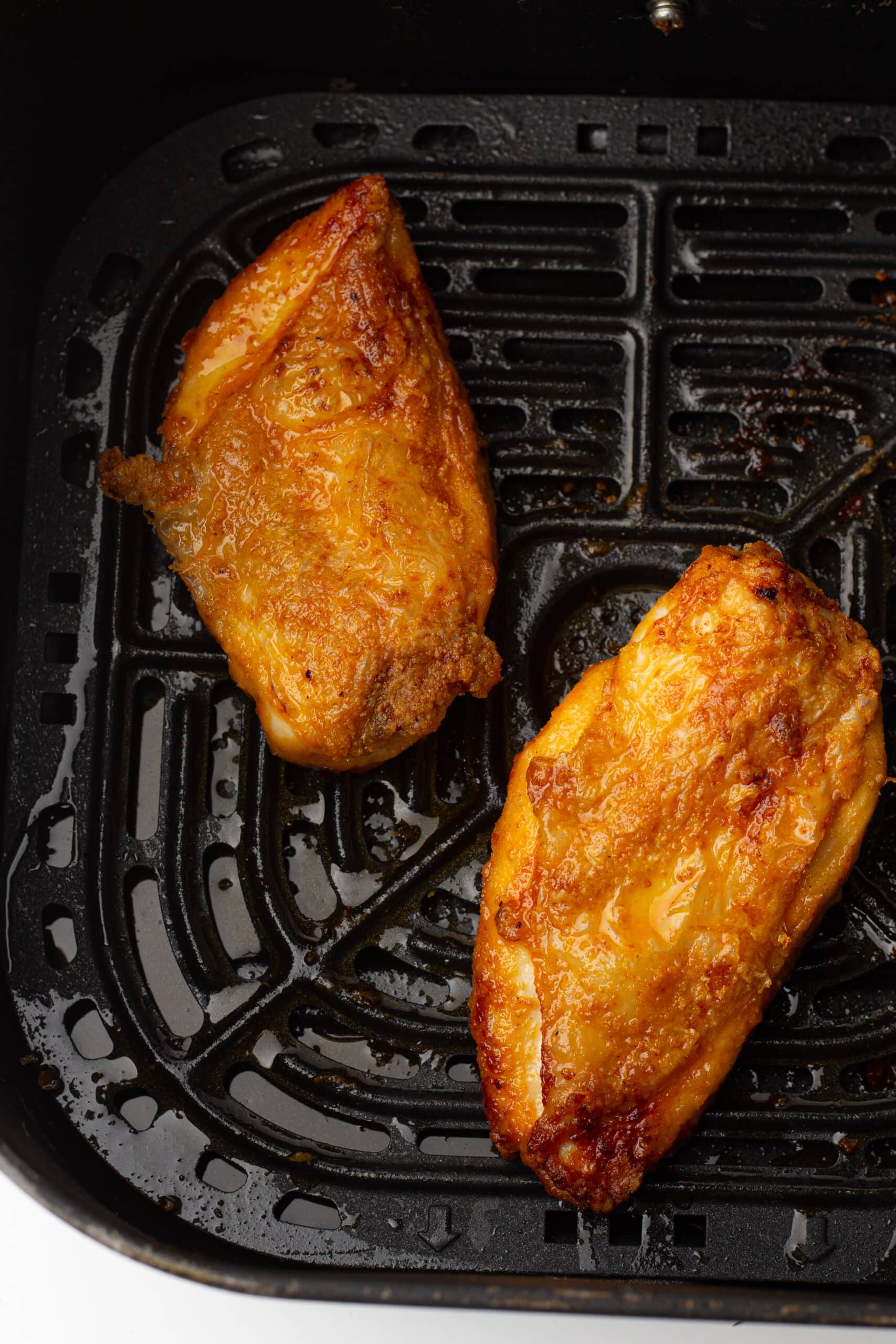
Air fryer fried chicken breasts are a delicious protein side that can be enjoyed any time of year. And now, you can achieve the same flavorful results without having to deep fry it – thanks to the air fryer! This Air Fryer Fried Chicken Breast recipe is deliciously crispy and full of flavor, and best…
Air Fryer Red Velvet Crumbed Chicken Wings
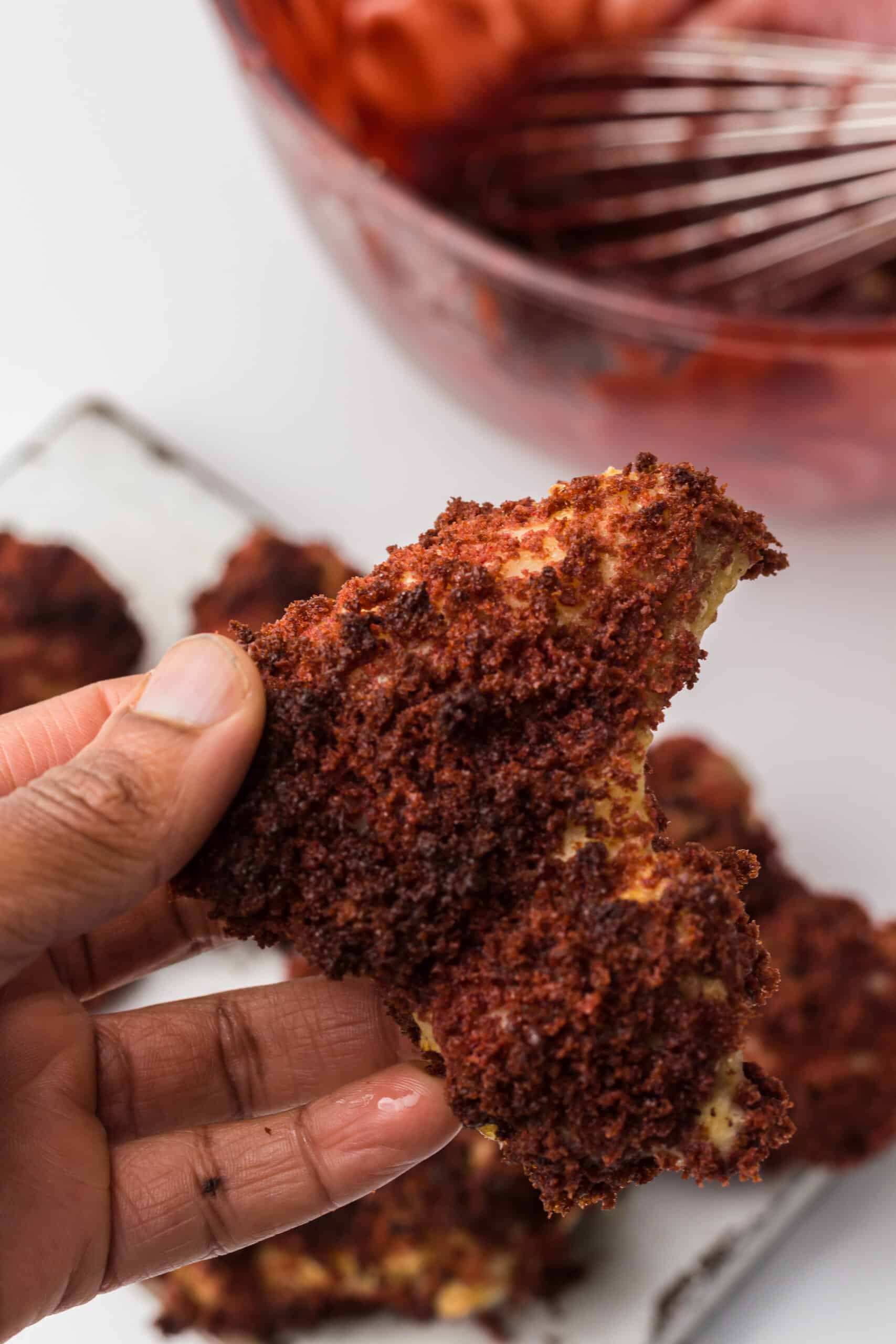
For those who are looking for a tasty way to make fried chicken wings, red velvet air fryer wings might be just the thing. With this creative twist on the traditional deep-fried wing, your taste buds will be singing! The rich flavor of red velvet cake crumbs elevates these wings to a whole new level,…
Red velvet waffle chicken wings
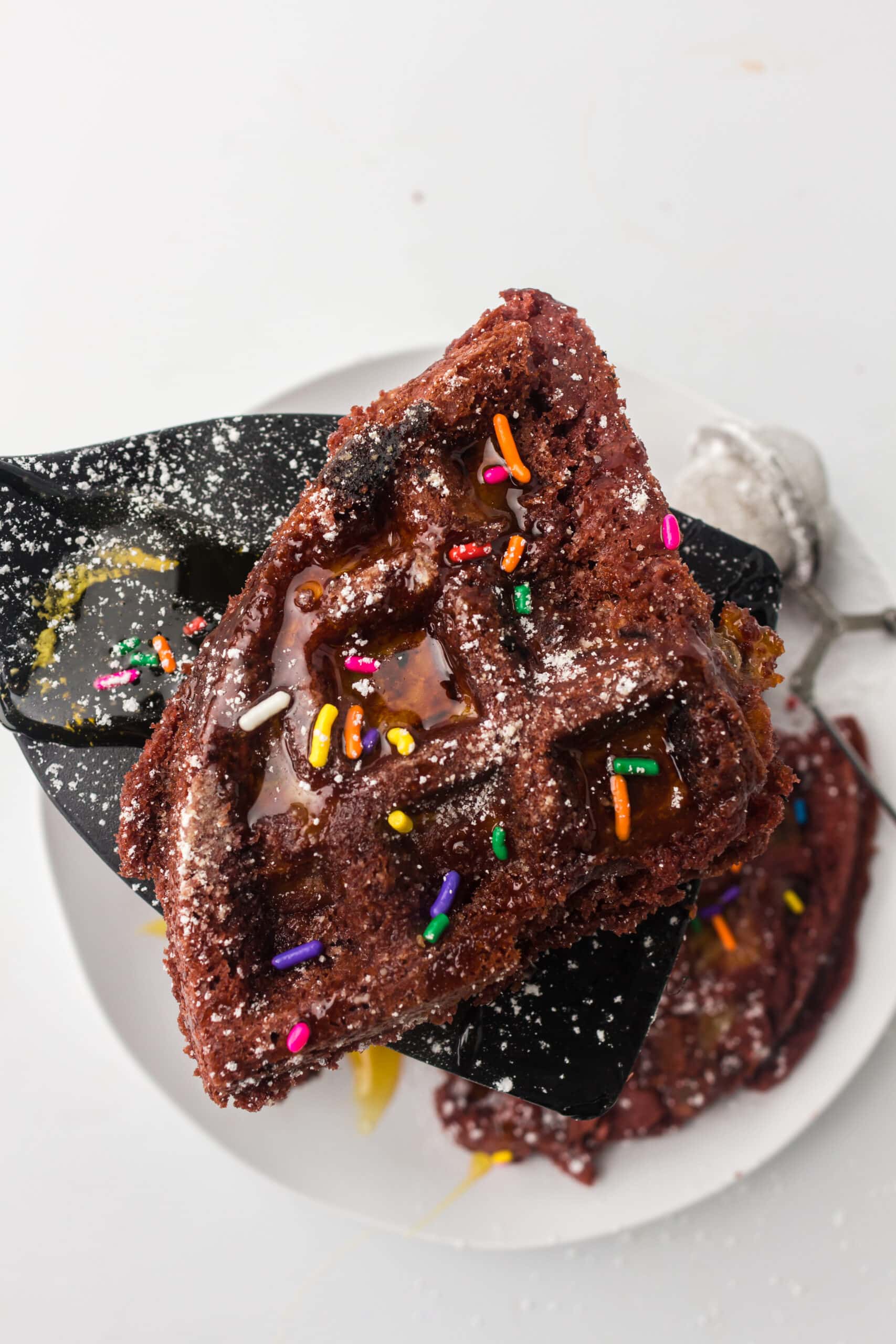
I know what you are thinking – these foods are oppostie ends of the spectrum! But trust me, the flavor combo is a match. The sweet and savory combination of red velvet waffle batter and chicken wings make for an amazing snack or even meal. The waffle batter is super easy as it come from…
Air Fryer Fried Chicken Drumsticks
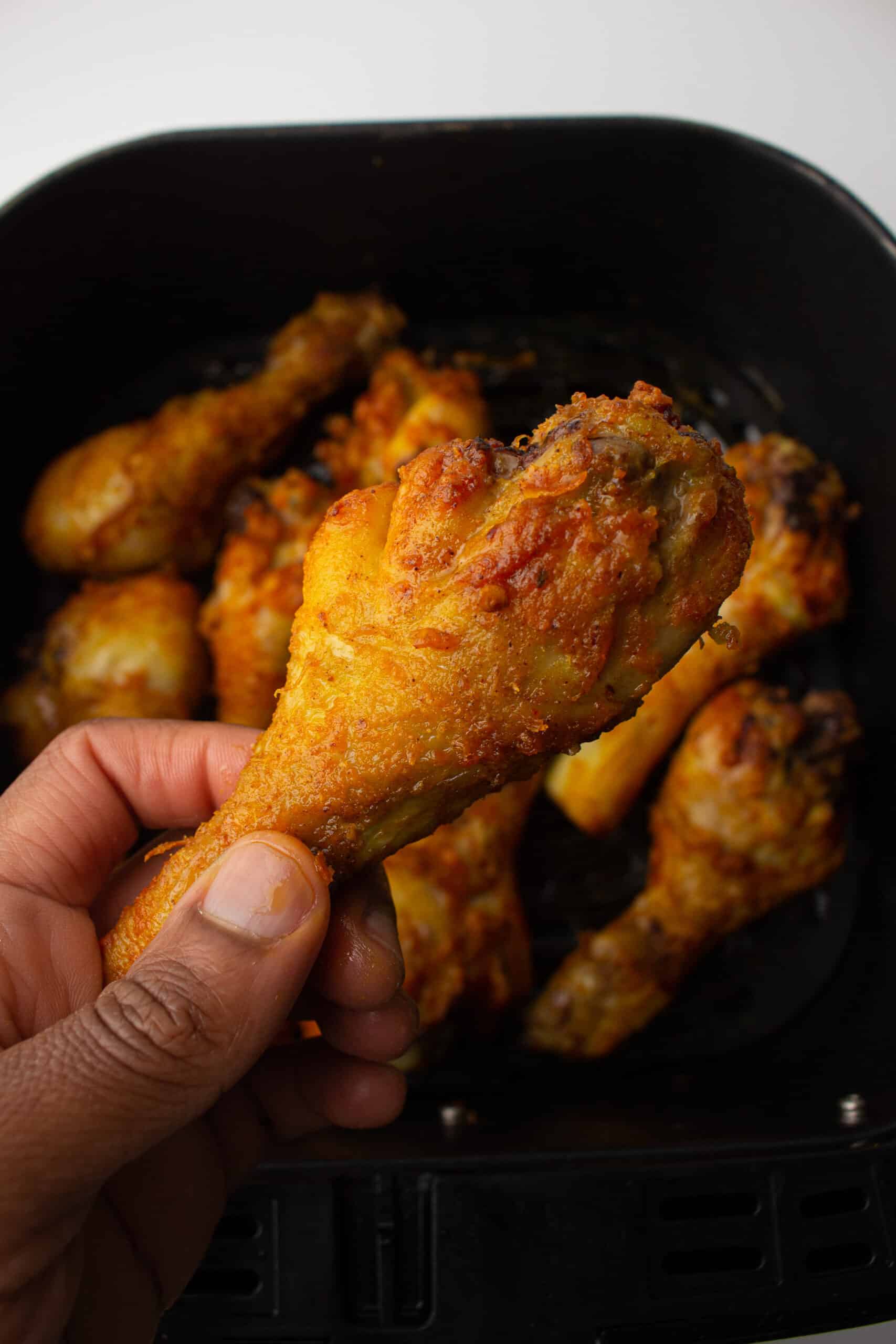
Fried chicken drumsticks are a classic dish that can be enjoyed any time of year. And now, you can achieve the same delicious results without having to deep fry it – thanks to the air fryer! This Air Fryer Fried Chicken Drumstick recipe is crispy and flavorful, and best of all, it’s so easy to…
Air Fryer Grilled Cheese and Tomato
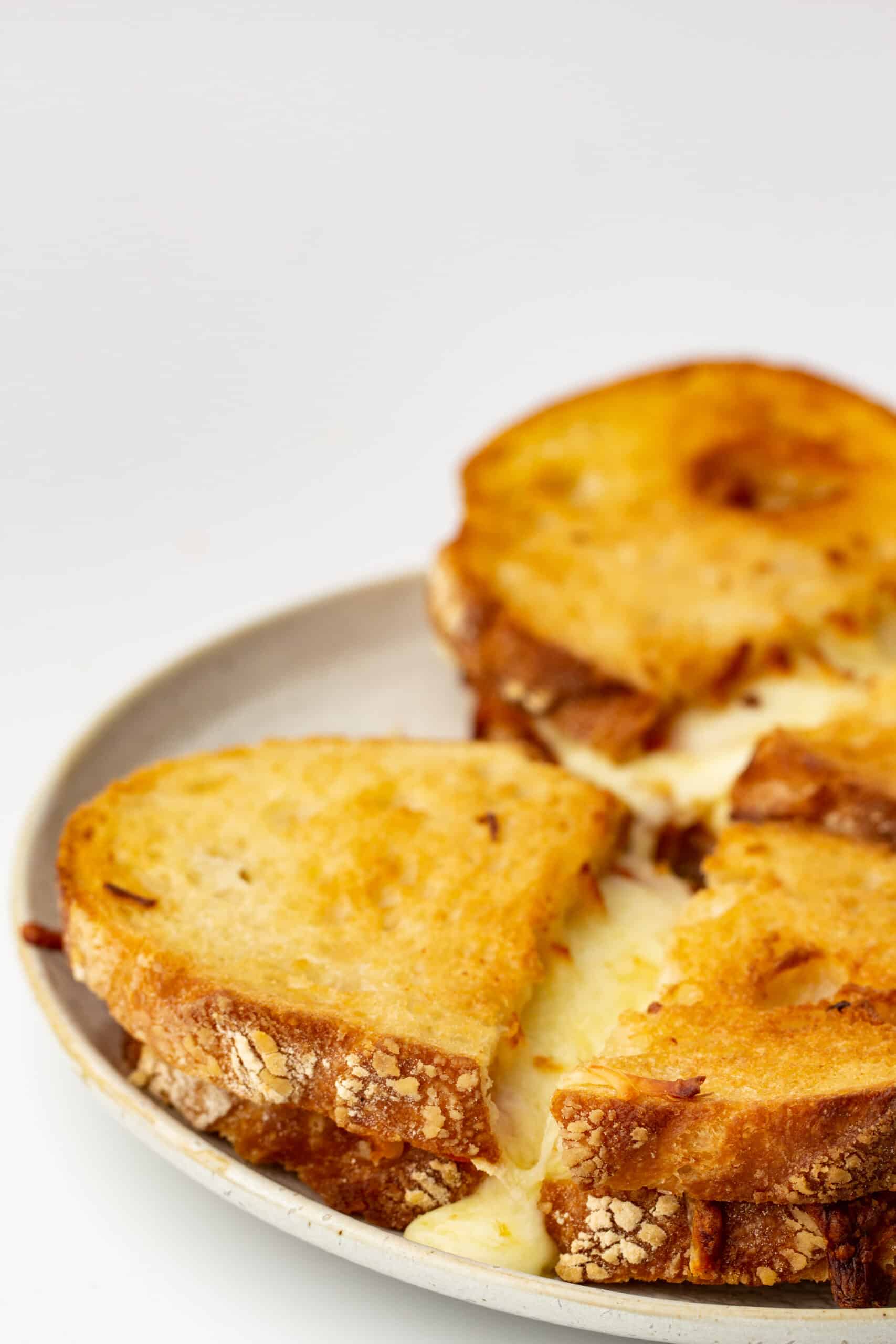
Grilled cheese and tomato sandwiches are a classic favorite that can be enjoyed year-round. Now, with the help of an air fryer, you can make these delicious sandwiches even easier and faster – freeing up your time to focus on more important things. This Air Fryer Grilled Cheese and Tomato Sandwich recipe is savory, comforting,…
Air Fryer Accordion Potatoes
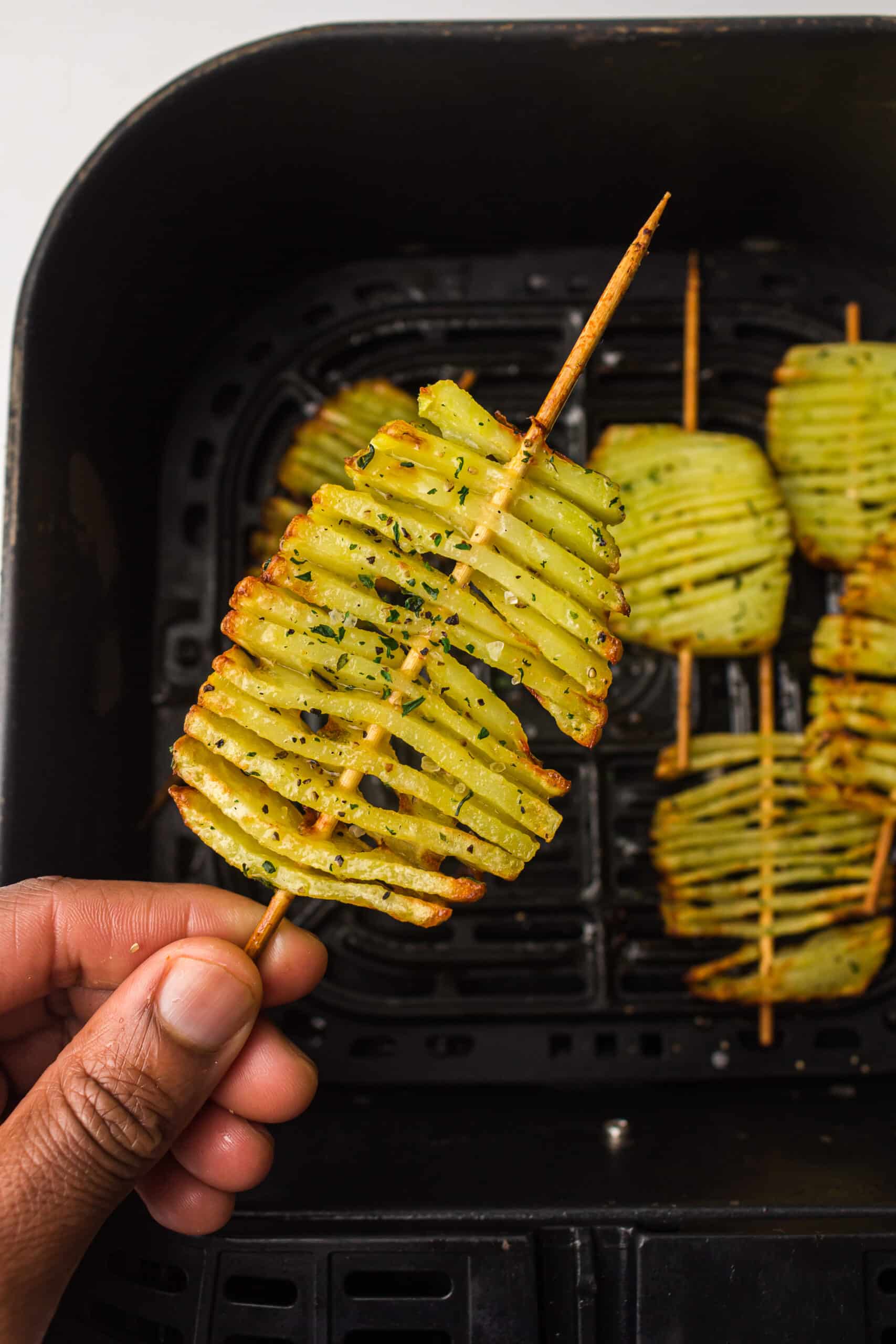
These potatoes are crispy morsels making them an incredibly tasty side dish or even snack. If you’ve been wanting to make these fun potatoes but don’t know where to start, then look no further! Here we will give clear instructions for how to make them in your air fryer, recipe tips and substitution ideas and…
Air Fryer Blooming Onion
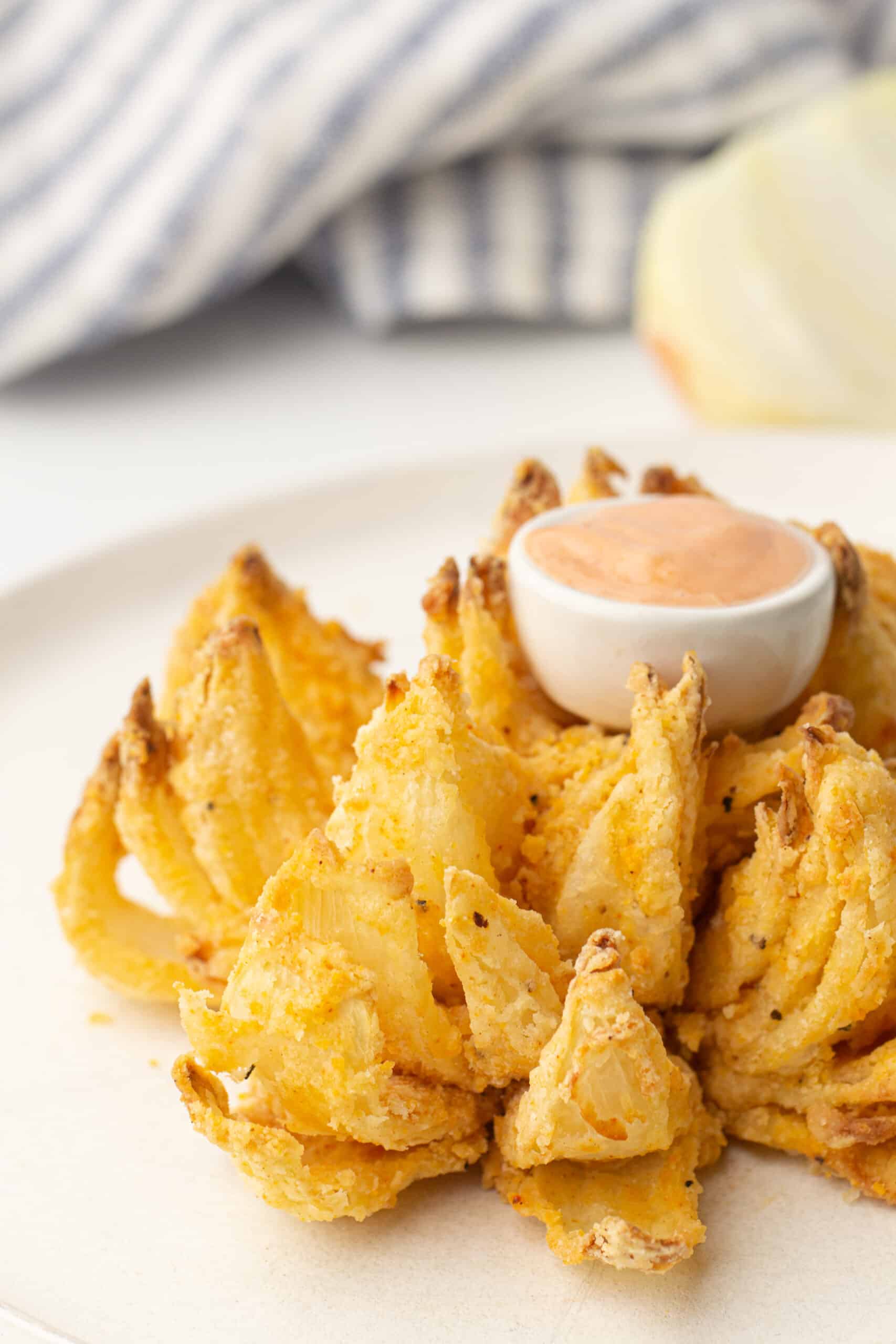
This appetiser looks so impressive, but is so easy to make thanks to your air fryer! A delicious, crunchy onion is battered and fried for a restaurant-style snack that’s ready in less than thirty minutes. The key to success with this dish is creating the perfect batter-dip ratio so that each petal of the onion…
Air Fryer Parmesan Potatoes
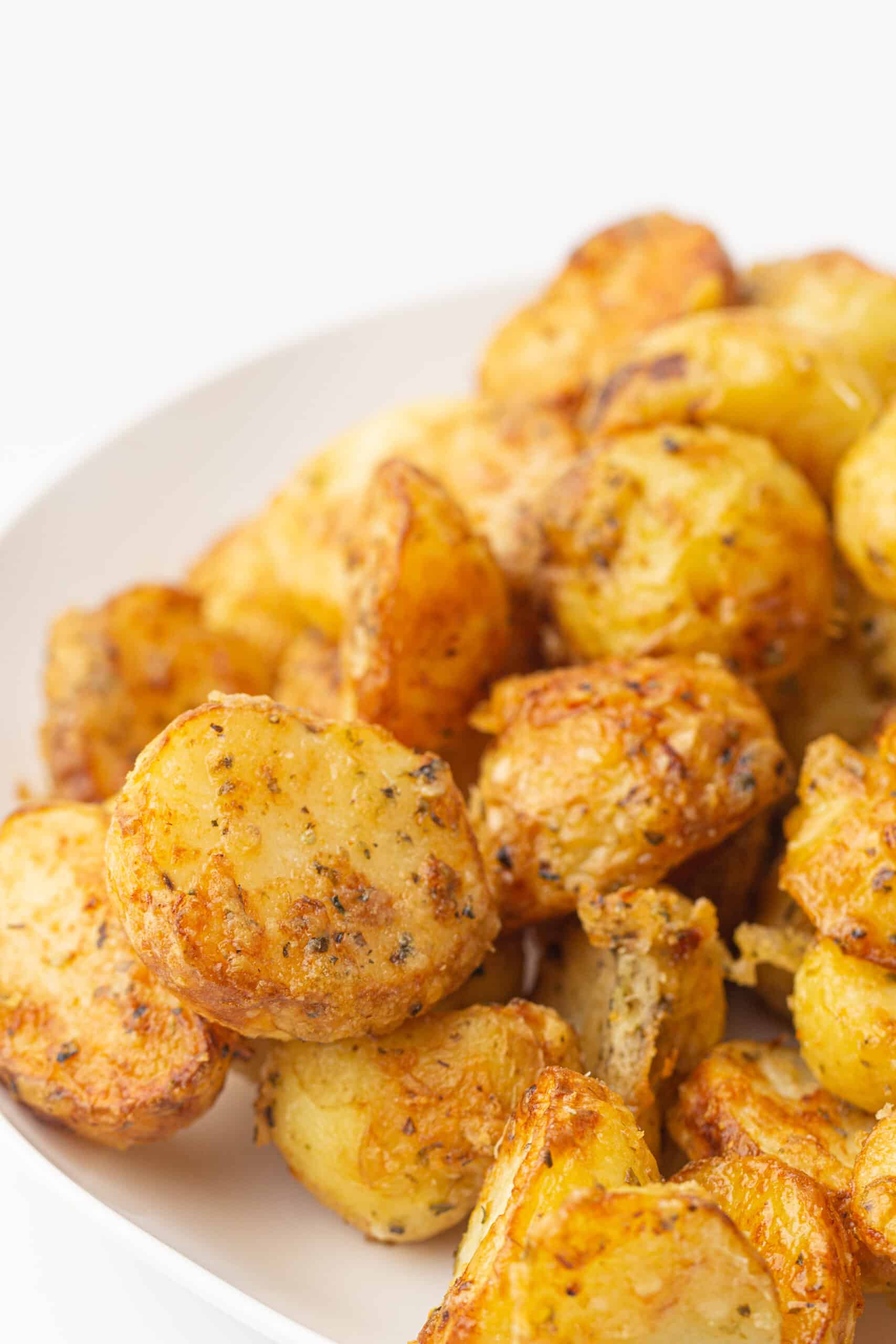
Garlic, parmasan, potatoes – is there a better combo?! These Air Fryer Parmesan Potatoes are the perfect way to make a simple, healthy and delicious side dish for any meal! And with minimal ingredients and effort spent, you won’t be able to resist making them again and again! People always say, the protein really makes…
Air Fryer Hot Dogs

Are you looking for a delicious and convenient way to make hot dogs? The air fryer is an such a good tool for cooking hot dogs quickly and with minimal effort! Hot dogs are a classic favorite, but they can be difficult to prepare on the stove or in the oven. Using an air fryer…
Air Fryer 2 Ingredient Fried Chicken Wings
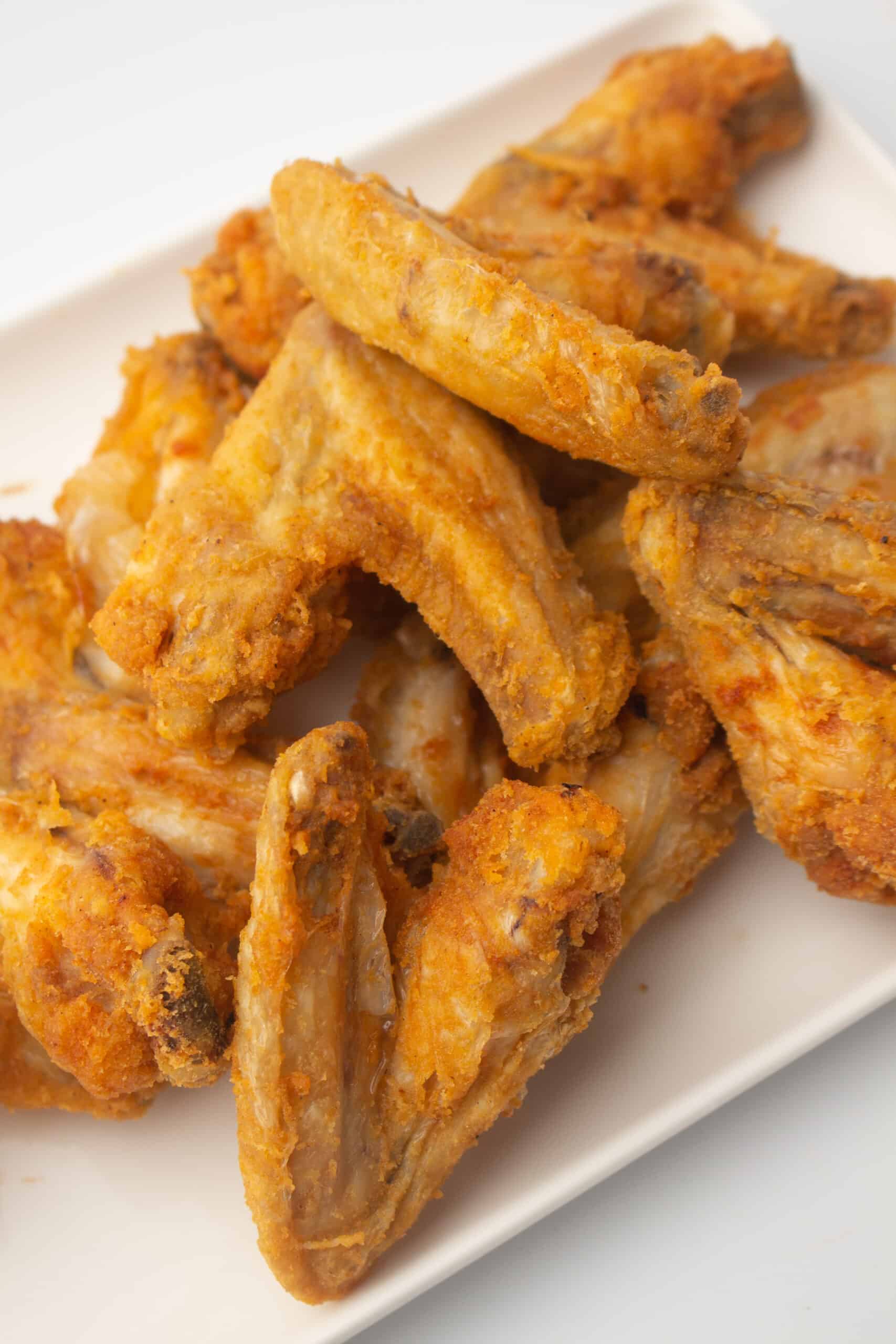
This post may contain affiliate links at no additional cost to you. You can read more about this on our Privacy Policy Page, via the About page. Sometimes, the simplest recipes are the tastiest. And when it comes to fried chicken, all you really need are two ingredients to make a meal that’s so scrumptious,…
Air Fryer Carrot Chips
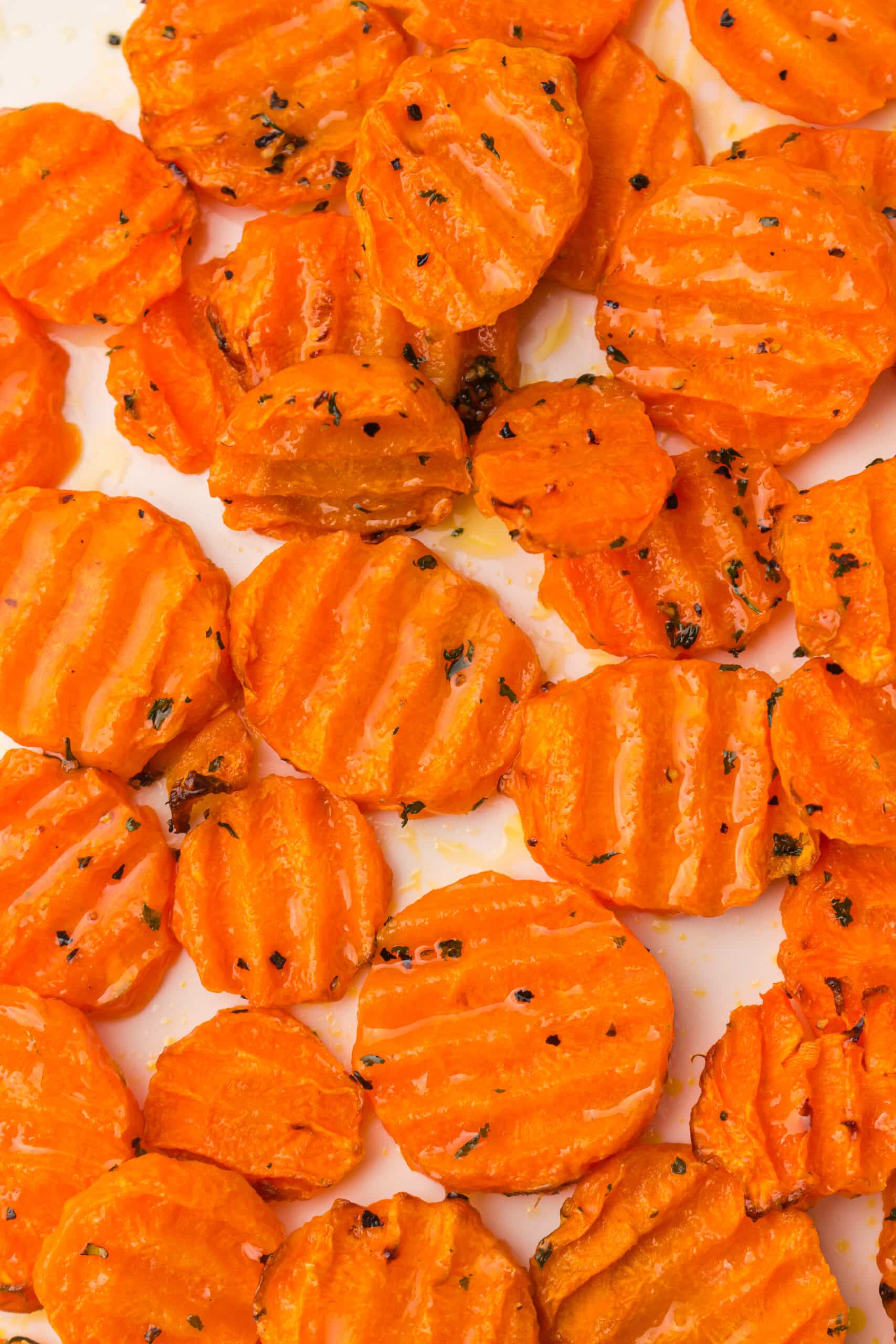
Carrots are one of those vegetables that we have probably had every single way imaginable. But this time, let’s change it up and try something new—air fryer carrot chips! What separates these from the rest of the carrot recipes is that we use a crinkle slicer to give the carrots a fun, wavy texture. The…
Air Fryer Toast Cookies
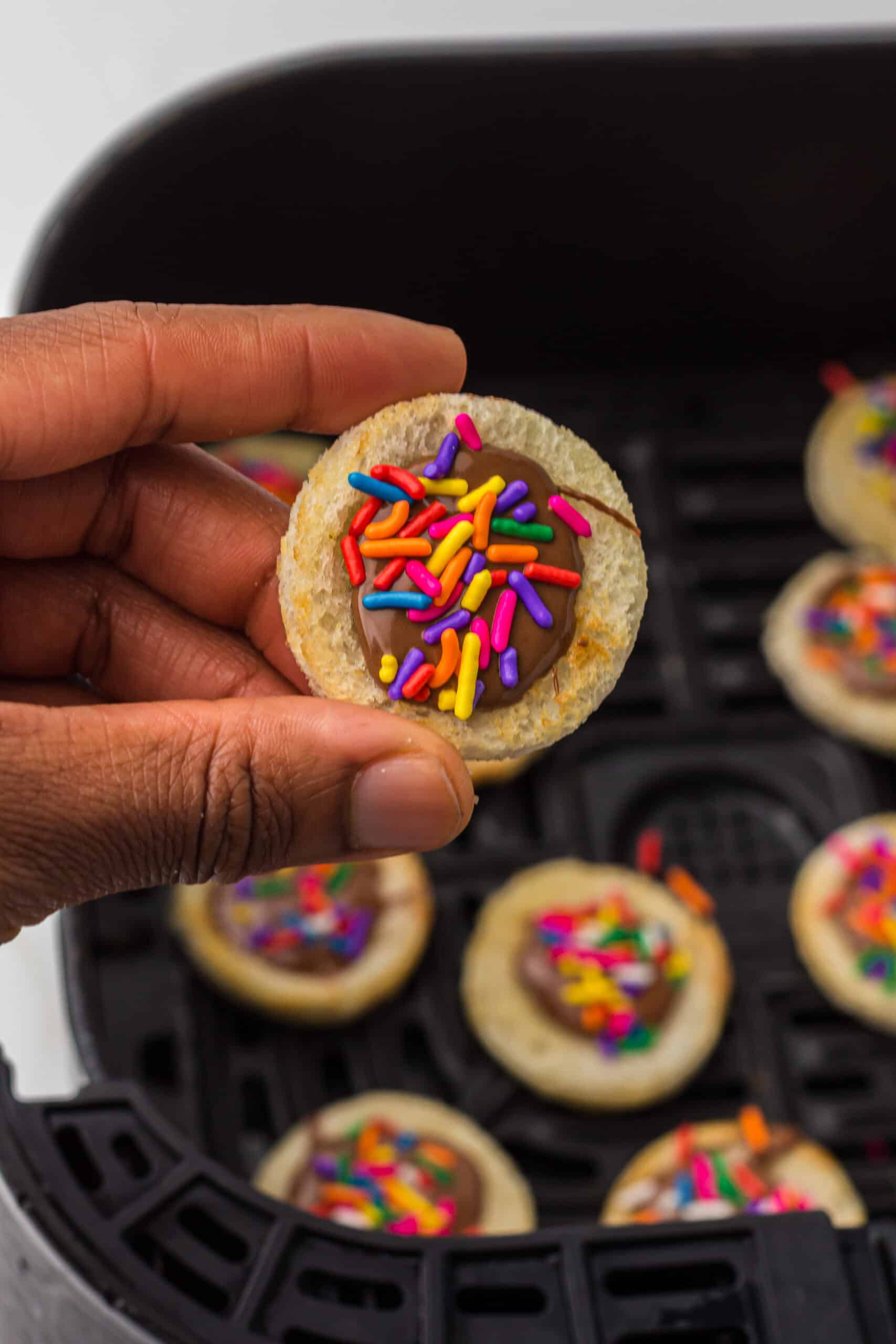
Delicious and crunchy air fryer toast cookies are an easy and fun way to get your baking fix without getting out the baking ingredients. These cookies are made with just four simple ingredients. They also require only a few minutes of preparation time before baking in the air fryer. Whether you’re looking for a special…
Air Fryer Bagels
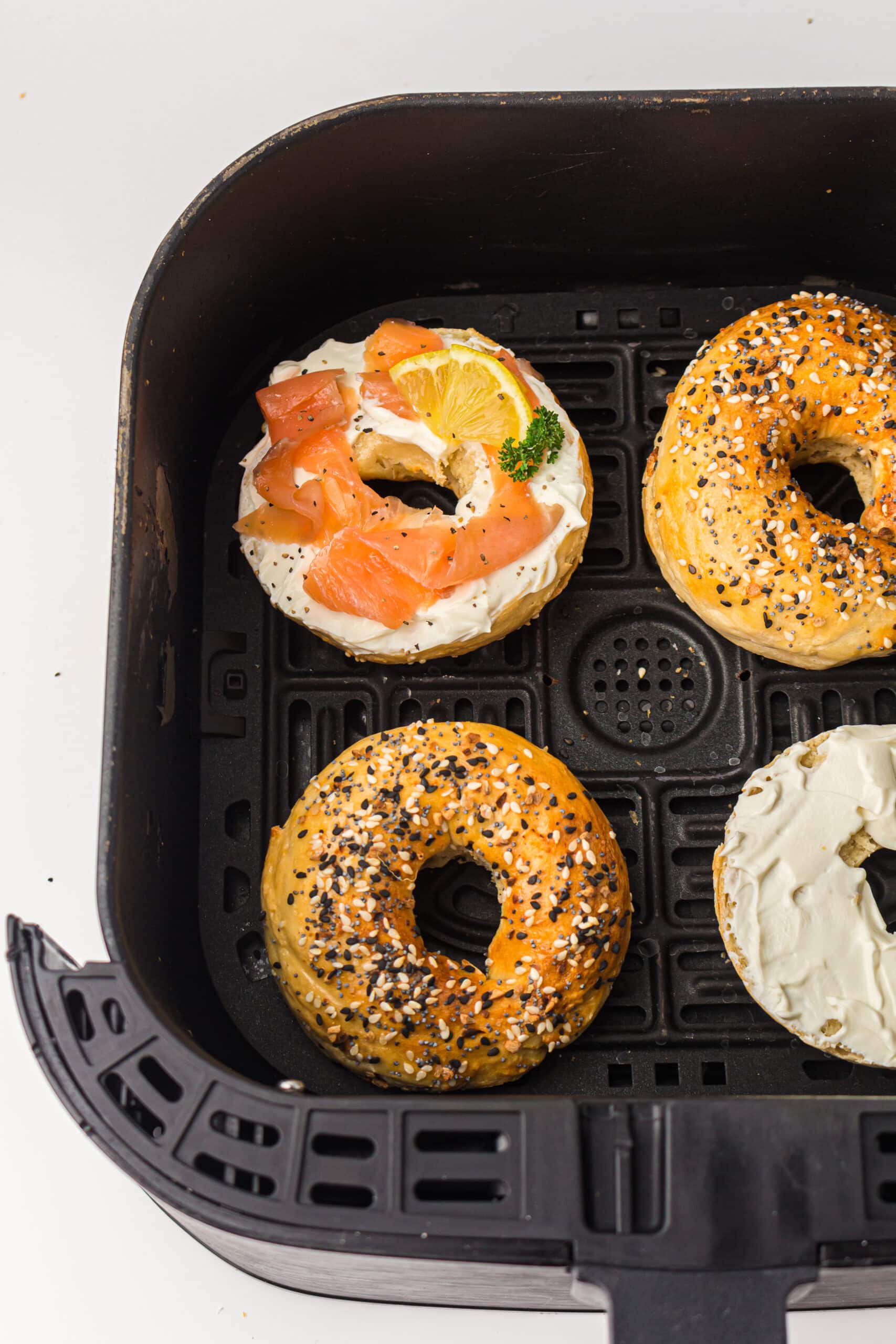
Can you guess what food gets consumed very fast in my house!?! If you guessed bagels, then you are spot on. Bagels are a delicious and convenient snack that everyone in the family loves. But there’s one problem: cooking them can be very time consuming and messy. Also buy them can get pricey – we…
Air Fryer Honey Roast Ham
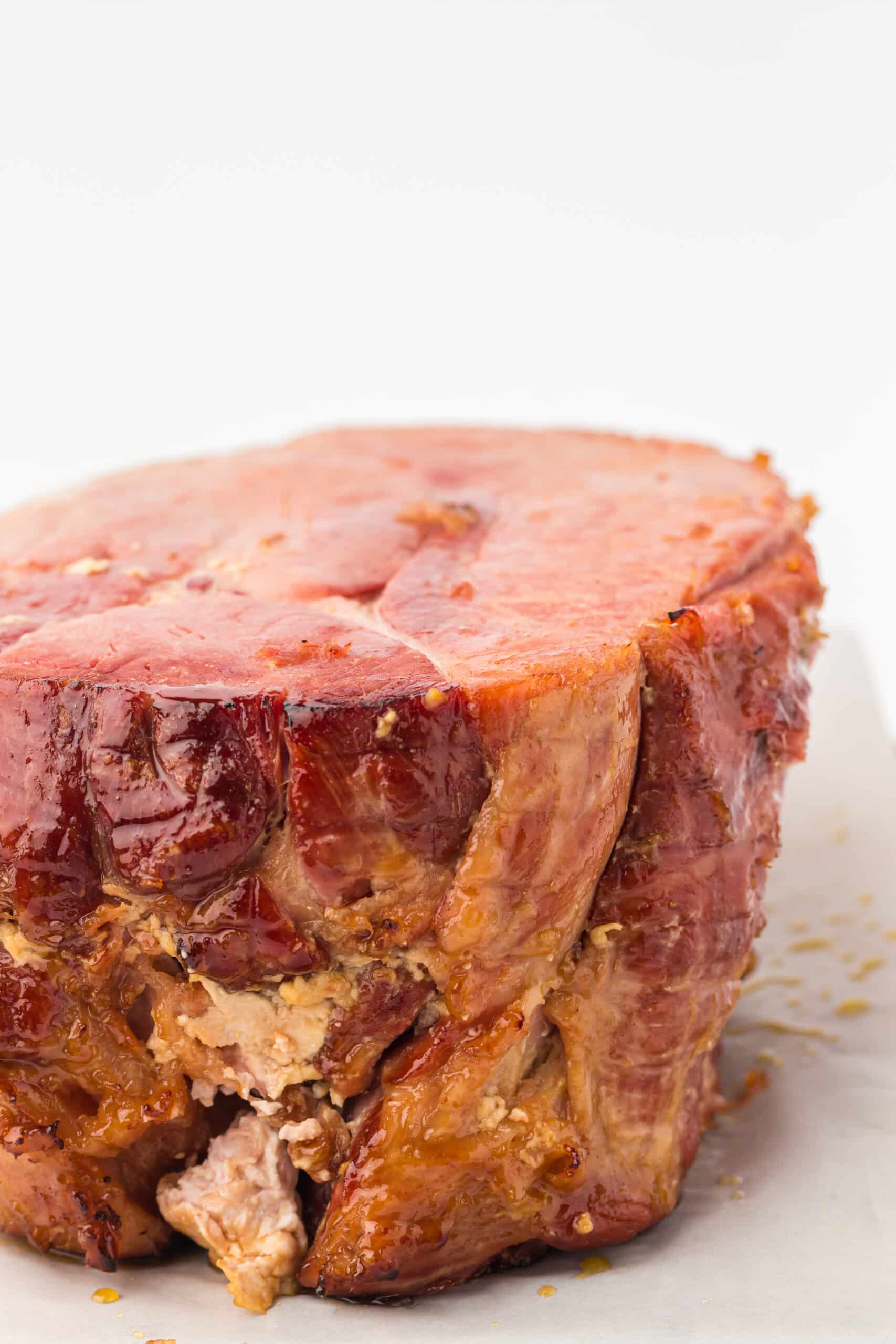
I think I’ve found the key to an amazing air fryer roast ham. Don’t buy regular cooked ham – but smoked ham! There’s something about smoked meat that makes it incredibly juicy and flavorful when cooked in the air fryer. To add to the smokiness of this recipe, is the honey glaze. I love adding…